How to Prevent Food Leakage During Delivery
Food leakage is one of the most common complaints in food delivery. A spilled soup, leaking sauce, or damaged meal can quickly lead to negative reviews, refund requests, and dissatisfied customers.
As food delivery continues to grow, choosing the right packaging system has become just as important as preparing quality food. In this guide, we'll explore the most common causes of food leakage and practical solutions that restaurants, meal prep businesses, and catering companies can implement.
Why Food Leakage Happens
Many food businesses assume that leakage is caused by careless drivers or rough transportation. While delivery conditions do play a role, packaging is often the primary reason food spills during transit.
Common causes include:
Containers that are not designed for liquid foods
Poor lid sealing performance
Excessive container movement during transportation
Hot food creating steam pressure inside the package
Weak packaging materials that deform under weight
Even a small amount of leakage can damage the customer experience and affect your brand reputation.
The Hidden Cost of Food Leakage
Food leakage is more than a packaging issue.
It can result in:
Negative online reviews
Refund requests
Customer complaints
Lower repeat orders
Increased operational costs
For meal prep businesses and food delivery brands, consistent packaging performance directly impacts customer satisfaction.
Choose Containers Designed for Delivery
Not all food containers are suitable for delivery.
When selecting packaging, consider:
Structural Strength
Containers should maintain their shape during transportation and stacking.
Heat Resistance
Hot meals can soften certain packaging materials. Containers should remain stable even when filled with freshly cooked food.
Secure Closure
The lid or sealing system should remain secure throughout the delivery journey.
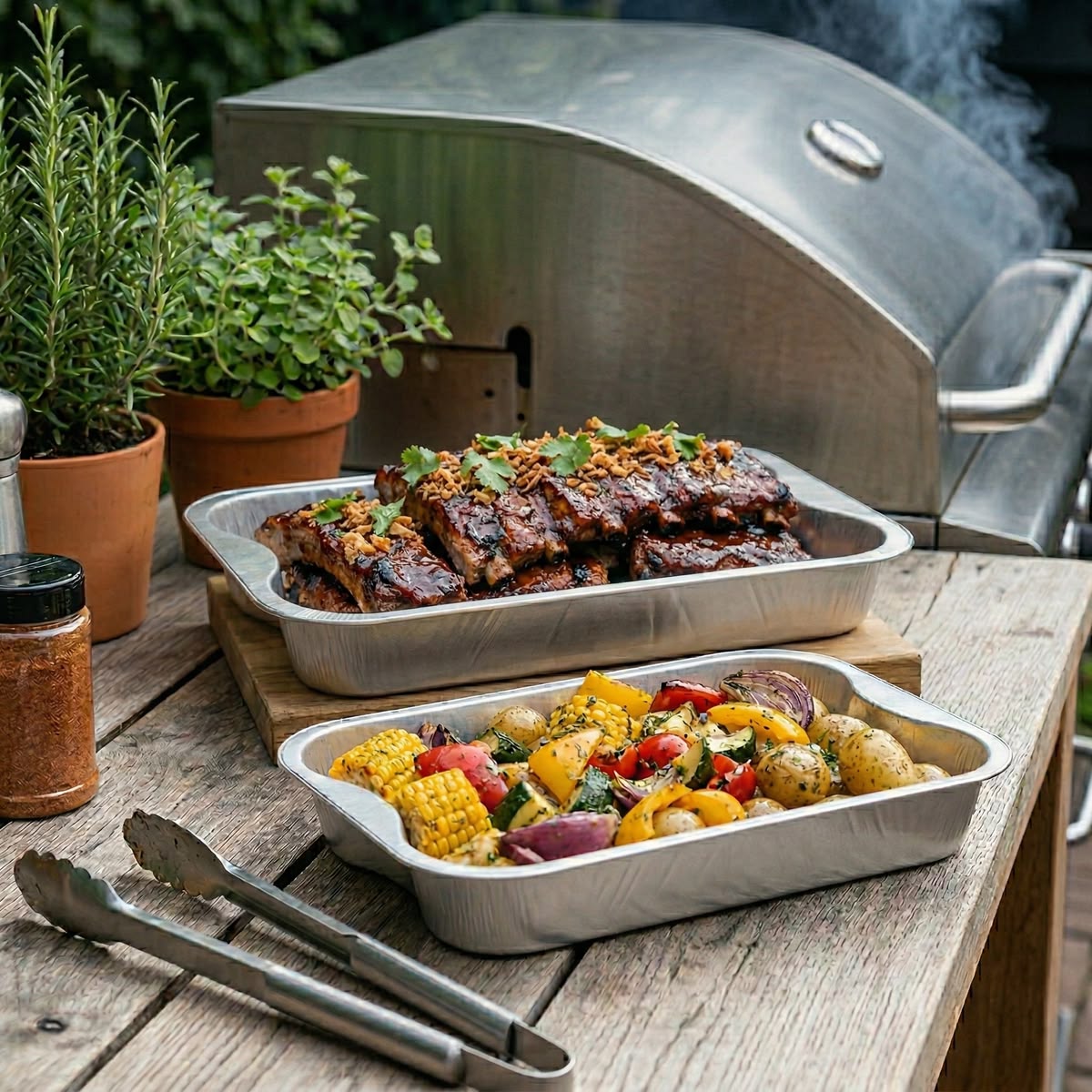
Aluminum food containers are a popular choice because they provide excellent structural strength, heat resistance, and professional presentation.
Use a Sealing System Instead of Traditional Lids
Traditional snap-on lids may work for some foods, but they often struggle with soups, sauces, and oily dishes.
A sealing system offers several advantages:
Stronger leak resistance
Improved food security
Better presentation
Reduced risk of accidental opening
By combining aluminum containers, sealing film, and a sealing machine, food businesses can create a more reliable packaging solution for delivery.
This approach is increasingly used by meal prep companies, takeout restaurants, and catering services that prioritize delivery performance.
Select the Right Container Size
Using a container that is too large can increase food movement during transportation.
To reduce spills:
Match container size to portion size
Avoid excessive empty space
Use compartment containers when appropriate
A properly fitted container helps keep food stable throughout the delivery process.
Consider Food Type
Different foods require different packaging solutions.
Soups and Liquid Foods
Require the highest level of sealing protection.
Saucy Dishes
Need secure packaging that prevents side leakage.
Meal Prep Foods
Benefit from compartment containers that separate ingredients.
Catering Trays
Require strong structural support for larger food volumes.
Choosing packaging based on food type can significantly improve delivery performance.
Improve Packaging Procedures
Even high-quality containers can fail if used incorrectly.
Train staff to:
Fill containers properly
Avoid overfilling
Ensure lids are fully secured
Verify seal integrity before dispatch
Simple packaging checks can dramatically reduce leakage incidents.
Why More Food Businesses Are Switching to Aluminum Packaging
Aluminum food containers offer several advantages for delivery operations:
Excellent heat resistance
Strong structural integrity
Professional appearance
Compatibility with sealing systems
Suitable for reheating and oven use
For restaurants looking to improve packaging reliability, aluminum containers provide a practical long-term solution.
Final Thoughts
Food leakage can damage customer satisfaction, increase costs, and hurt brand reputation. Fortunately, most delivery-related spills can be prevented through better packaging choices.
By selecting durable containers, using proper sealing systems, matching packaging to food types, and following consistent packing procedures, food businesses can significantly reduce leakage and improve the delivery experience.
Investing in the right packaging is not simply about protecting food—it's about protecting your brand.